Dubai Waste Collection in 2026: What Every Resident Needs to Know
Dubai waste collection has changed a great deal over the past few years, and 2026 brings a clearer, more organised system for households and businesses alike. Whether you live in a high-rise apartment in Dubai Marina, a family villa in Arabian Ranches or a townhouse in JVC, understanding how the city manages rubbish helps you dispose of it correctly, avoid fines and play your part in Dubai’s push toward a cleaner, more sustainable future.
This guide explains how Dubai waste collection works in 2026, what has changed, how recycling fits in, and the practical steps you can take at home to keep your community clean. The goal is simple: help you understand the system so daily disposal becomes effortless rather than confusing.
How Dubai Waste Collection Works in 2026
At its core, Dubai waste collection is built around regular, scheduled pickups managed under the supervision of Dubai Municipality. Residential communities, commercial towers and industrial zones each follow collection routines suited to how much waste they produce and how quickly it accumulates.
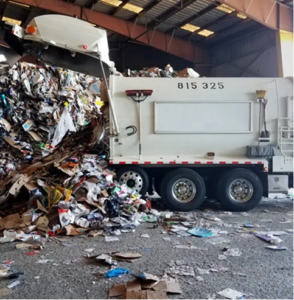
In most residential areas, general household rubbish is collected daily or several times a week from designated bins or bin rooms. Apartment towers typically use shared chutes and central collection points, while villa communities rely on kerbside or gated pickup. The system is designed so that no household is ever more than a short walk from a proper disposal point.
The biggest shift heading into 2026 is the stronger emphasis on separating waste at the source. Rather than treating everything as one stream, residents are increasingly asked to divide recyclables from general waste before it leaves the home, which makes the whole collection process far more efficient.
The Main Waste Streams
Understanding the categories makes Dubai waste collection much simpler to follow:
- General waste — everyday non-recyclable rubbish such as food scraps and soiled packaging.
- Recyclables — clean paper, cardboard, plastics, glass and metal cans.
- Bulky waste — furniture, mattresses and large items that do not fit in standard bins.
- Green and garden waste — plant trimmings and landscaping material from villas and communities.
- Hazardous and electronic waste — batteries, electronics and chemicals that need special handling.
What Has Changed for Dubai Waste Collection This Year
Several practical updates shape Dubai waste collection in 2026, and most of them are aimed at reducing landfill and improving recycling rates across the emirate.
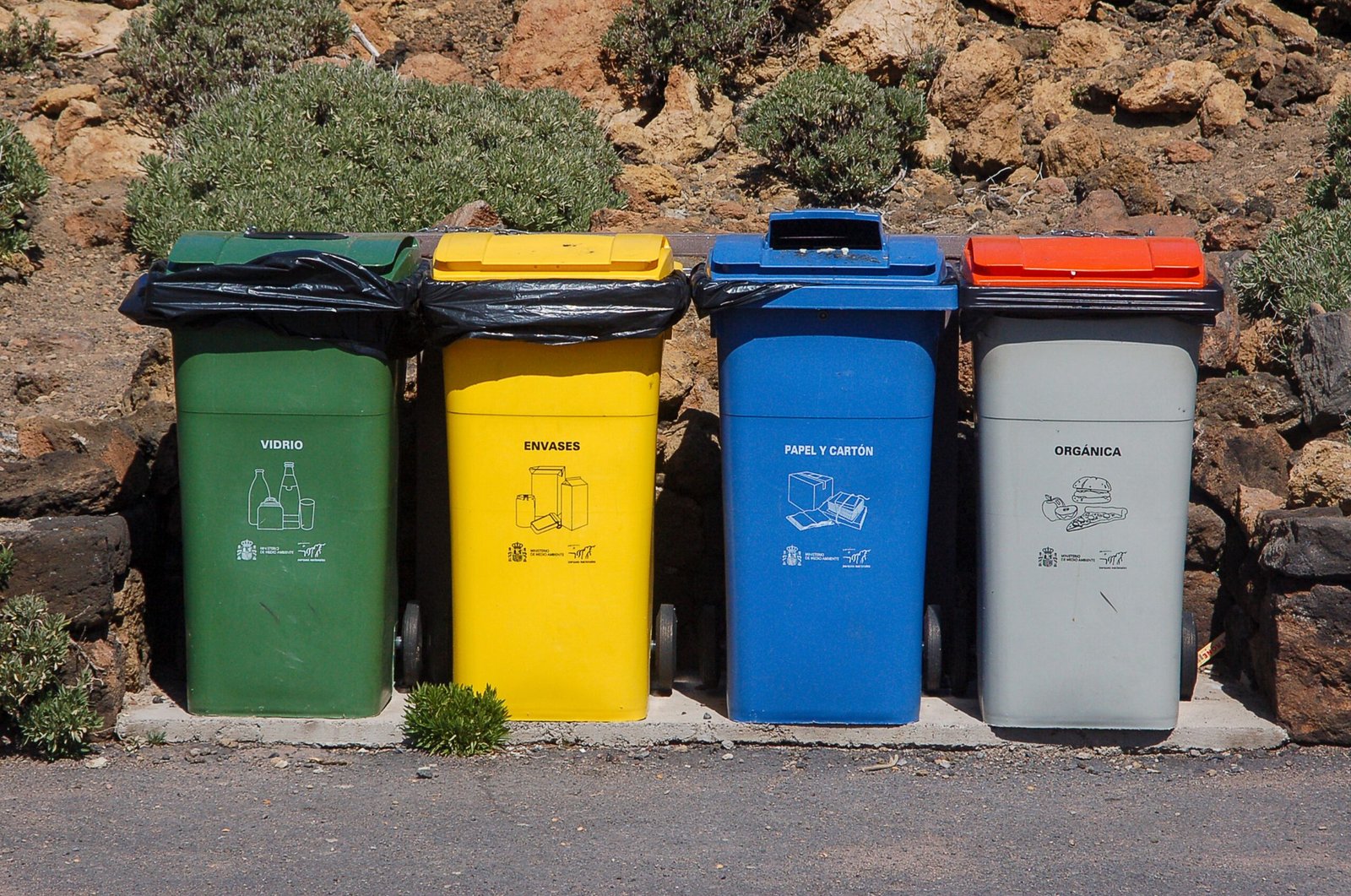
Segregated bins are now far more common in residential communities, with clearly colour-coded containers for general waste and recyclables placed side by side. Many newer developments in areas such as Dubai Hills Estate and Business Bay were built with dedicated recycling infrastructure from the outset, and older communities are steadily catching up.
There is also a stronger focus on reducing single-use plastic, encouraging residents to cut down on the volume of non-recyclable material they generate in the first place. Alongside this, digital reporting tools make it easier than ever to request a bulky-item pickup or flag a missed collection directly from your phone.
Recycling and Sustainability in Dubai
Recycling sits at the heart of modern Dubai waste collection. The emirate has set ambitious targets to divert waste away from landfill, and household participation is a major part of reaching them. Every correctly sorted bottle, box or can reduces the burden on landfill sites and supports the wider circular economy.
Recyclable materials collected across Dubai are sorted and processed so that paper, plastic, glass and metal can be turned into new products rather than buried. For residents, the most valuable contribution is simple: rinse recyclables so they are clean, keep them dry, and place them in the correct bin. Contaminated recycling often ends up as general waste, which undoes the effort.
Community recycling points, drop-off stations and dedicated bins for items like glass and electronics give residents extra ways to dispose of specific materials responsibly. For official guidance on services and schedules, the Dubai Municipality remains the primary authority to consult.
Bulky Waste and Furniture Disposal
Standard Dubai waste collection is built for everyday rubbish, not large items. Sofas, mattresses, wardrobes and broken appliances cannot simply be left beside a bin, as this can block access and breach community rules. Instead, bulky items need a dedicated pickup or a professional removal service.
For tenants moving out, families upgrading furniture or landlords clearing a unit between contracts, arranging a proper collection is the cleanest solution. Many residents combine this with a wider clear-out, and services such as junk removal in Dubai handle exactly these situations, ensuring bulky items are removed safely and directed toward reuse or recycling where possible.
Trying to dispose of large furniture through normal Dubai waste collection channels usually causes delays and can result in fines from building management, so planning ahead is always worthwhile.
Waste Collection for Apartments and Villas
The way Dubai waste collection reaches your home depends heavily on where you live.
Apartments and High-Rise Towers
Residents in towers across Dubai Marina, JLT and Downtown Dubai usually rely on shared bin rooms or waste chutes. General waste goes down the chute or into central bins, while recycling is placed in clearly marked containers nearby. Because these spaces are shared, keeping bags sealed and using the right bin matters for hygiene and pest control throughout the building.
Villas and Townhouses
Villa communities such as Arabian Ranches, Jumeirah and Al Barsha typically have scheduled kerbside or gated collection. Residents place bins at the agreed point on collection days, and garden waste is often handled separately. Larger households tend to generate more waste, so staying on top of the schedule prevents overflowing bins between pickups.
Common Mistakes Residents Make
A few avoidable habits work against an otherwise efficient Dubai waste collection system:
- Mixing recyclables with general waste — this contaminates the recycling and sends it to landfill.
- Leaving bulky items beside bins — furniture and appliances need a dedicated pickup, not the standard route.
- Failing to rinse recyclables — food residue can spoil an entire batch of recycling.
- Overfilling shared bins — this blocks access for neighbours and attracts pests.
- Ignoring collection schedules — bags left out at the wrong time can breach community rules.
- Disposing of hazardous waste incorrectly — batteries and electronics need special handling, not the general bin.
Practical Tips for Managing Waste at Home
Small changes make daily Dubai waste collection smoother and greener:
- Keep two bins at home, one for general waste and one for recyclables, so sorting becomes automatic.
- Rinse and dry bottles, cans and containers before recycling them.
- Flatten cardboard boxes to save space in shared bins and chutes.
- Store batteries and electronics separately and take them to a designated drop-off point.
- Plan bulky-item removal in advance rather than leaving furniture out on collection day.
- Buy in bulk and choose reusable products to cut down on packaging waste.
These habits cost nothing but make a genuine difference to how efficiently your household waste is handled.
Benefits of an Organised Waste Collection System
A well-run Dubai waste collection system delivers advantages that reach far beyond a tidy street:
- Cleaner communities — regular pickups keep neighbourhoods hygienic and pest-free.
- Higher recycling rates — source separation means more material is recovered and reused.
- Less landfill — diverting waste supports Dubai’s long-term sustainability goals.
- Fewer fines — following the rules protects residents from community penalties.
- Better quality of life — clean, well-managed surroundings benefit everyone who lives here.
Frequently Asked Questions
How often is Dubai waste collection carried out?
General household waste is usually collected daily or several times a week, depending on your community and how much waste it produces. Recycling and bulky-item pickups often follow separate schedules.
How do I dispose of large furniture in Dubai?
Large furniture cannot go through standard Dubai waste collection. You need a dedicated bulky-item pickup or a professional removal service that collects the item and directs it toward reuse or recycling.
Which items can I recycle at home?
Clean paper, cardboard, plastic bottles, glass and metal cans can all be recycled. Rinse them first, keep them dry, and place them in the recycling bin rather than with general waste.
What should I do with batteries and electronics?
Batteries, electronics and other hazardous items should never go in the general bin. Take them to a designated drop-off point or community recycling station for safe handling.
Are recycling bins available in apartment buildings?
Most modern towers and many older buildings now provide colour-coded recycling bins alongside general waste containers, usually in the bin room or near the chute area.
Who manages Dubai waste collection?
Waste collection across the emirate is overseen by Dubai Municipality, working with community management and licensed contractors to keep services running consistently.
Keeping Dubai Clean in 2026 and Beyond
Dubai waste collection in 2026 is more organised, more sustainable and easier to follow than ever, but it works best when residents play an active part. Sorting recyclables, disposing of bulky items properly and following your community schedule all add up to cleaner streets and a healthier environment.
If you need help clearing furniture, appliances or a full property between the regular collection days, our team is ready to assist. Contact our team to arrange your collection at a time that suits you, and keep your home and community clean throughout the year.