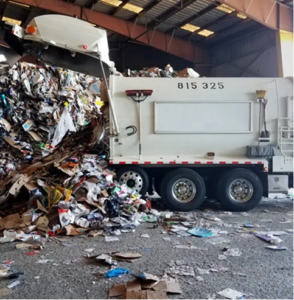
A renovation wraps up and the living room is still full of broken tile, offcuts of wood, torn packaging, and a cracked cabinet nobody wants back. An office move leaves behind bent shelving, cardboard, and a pile of items too awkward to fit in a regular bin. A villa garage has years of leftover building material stacked against the wall, and none of it belongs in the household rubbish collection.
This is the situation debris removal is built for. It is not the same as putting out the weekly household bin, and it is not quite the same as arranging a full construction waste skip either. Debris tends to sit in between: leftover, broken, or discarded material connected to property work, maintenance, or a clearout, and it usually needs to be identified, sorted, loaded, and transported in a way ordinary rubbish collection is not set up to handle.
This guide explains how debris removal Dubai services work, the kinds of situations that lead to a collection, what the process typically involves, and what to think about before booking.
What Is Debris Removal?
Debris removal is the practical process of clearing unwanted leftover or broken material from a property so the space can be used, sold, rented, or handed over in a reasonable condition. It covers material that has resulted from:
- Property work or repairs
- Renovation
- Construction-related activity on a smaller scale
- Furniture replacement
- Property clearouts
- Commercial operations, such as a shop or office refit
- Outdoor cleanup around a villa or plot
The key point is that debris removal is about clearing what is already broken, discarded, or left over, rather than an ongoing waste collection service. What counts as acceptable debris, and how much of it can be taken in one visit, varies by provider. No two jobs look exactly the same, so it is worth describing what is actually on site rather than assuming everything will automatically be accepted.
What Types of Debris Can Be Removed?
Debris removal generally covers non-hazardous, everyday material such as broken or unwanted furniture, offcuts of wood, cardboard and packaging, small quantities of non-hazardous building material such as broken tile or plaster, renovation leftovers including old fittings and fixtures, general property debris from a clearout, damaged household or office items, and other bulky but non-hazardous discarded material.
Not everything found on a property is suitable for standard debris collection. Materials that are hazardous, chemical, medical, pressurized, or otherwise require specialist handling typically need to be dealt with separately, through a provider equipped for that specific material. If there is any doubt about whether something is safe to include with ordinary debris, it is worth flagging it directly with the provider before collection day rather than assuming it will be accepted.
Common Situations That Require Debris Removal in Dubai
Debris tends to build up around specific moments in a property’s life rather than gradually. Typical situations include a home renovation that leaves behind offcuts, packaging, and old fittings, general property maintenance and repairs, an office restructuring or layout change, a commercial property clearance before handover, moving house or relocating a business, replacing furniture or fittings, a shop refurbishment between tenants, cleanup following smaller construction-related work, warehouse reorganization, and outdoor cleanup around a villa, garden, or yard.
Each of these situations produces a different mix of material, so the debris removal that works for a small apartment declutter looks different from what a retail refit needs.
Residential Debris Removal
Homeowners and tenants across Dubai run into debris for reasons that have nothing to do with large-scale construction. Furniture replacement, garage cleanouts, storage clearouts, general property maintenance, moving, and simple decluttering all leave behind material that does not belong with the regular household bin.
In apartment communities such as JVC, Al Barsha, and Jumeirah, this often means broken furniture, packaging from new deliveries, and general clutter that has built up in storage. In villa communities such as Arabian Ranches and Dubai Hills Estate, debris is more likely to include garage material, outdoor items, and leftovers from smaller renovation projects. The right approach depends on how much debris there is and how easily it can be reached and loaded.
Commercial Debris Removal
Offices, shops, warehouses, and other commercial properties generate debris differently to homes. A retail refit, a workspace change, a storage clearout, or preparing a unit for handover can all leave behind a mix of packaging, broken fixtures, and bulky discarded items.
Commercial debris removal usually needs more planning than a residential job because of factors such as:
- The overall volume involved
- Building access and loading areas
- Business operating hours
- Building management approval
- Parking availability for a collection vehicle
In areas such as Business Bay, Downtown Dubai, JLT, and Dubai Silicon Oasis, buildings often have their own rules for loading bay access, service elevators, and permitted collection times. Confirming these details in advance makes the collection itself far more straightforward.
Construction and Renovation Debris
There is an important difference between everyday debris removal and larger-scale construction or demolition waste, which typically needs a dedicated waste service rather than a standard debris pickup. Debris removal is generally suited to smaller quantities of material connected to renovation or property work, such as:
- Broken fixtures and fittings
- Packaging from new installations
- Small quantities of suitable, non-hazardous building material
- Broken furniture or property items removed during the work
It would not be accurate to say every type of construction or demolition material can be taken through standard debris removal. Larger volumes of heavy building waste, or material that requires specific disposal handling, generally falls outside what a debris removal visit is designed for. When in doubt about a particular material, it is best to describe it to the provider directly rather than assume it fits.
How Debris Removal Dubai Services Work
While exact steps vary between providers, a typical debris removal job generally follows a process along these lines:
- Identify the debris that needs to be removed
- Separate out anything unsuitable or requiring specialist handling
- Estimate the rough quantity involved
- Provide the property location
- Explain what access looks like, such as stairs, elevators, or parking
- Confirm which materials the provider can accept
- Arrange a suitable collection time
- Prepare the debris ahead of the visit
- The collection team arrives at the property
- Debris is loaded onto the vehicle
- Material is transported away from the site
- Suitable material may then be reused, recycled, recovered, or disposed of appropriately
This sequence is a general guide rather than a fixed process, and individual providers may handle steps such as confirmation, scheduling, or loading slightly differently.
What Affects a Debris Removal Job?
Every debris removal job is shaped by the specifics of the property and the material involved, rather than a single standard scope. Factors that commonly affect how a job is planned include the quantity, volume, and weight of the debris, the type of material, how much labour the loading requires, property access including which floor it is on, stairs or elevator availability, parking near the property, loading areas, distance for transportation, scheduling, and whether any material needs specialist handling.
Sharing accurate details about these factors upfront helps a provider plan the visit properly, rather than discovering complications once the team has already arrived.
How to Prepare Debris for Collection
A little preparation makes the collection itself faster and smoother.
Separate Debris From Items That Stay
Before the visit, go through the space and clearly identify what actually needs to leave the property, so nothing is removed by mistake.
Keep Specialist Materials Separate
Do not mix anything potentially hazardous, chemical, or otherwise specialist with ordinary debris. Keep it apart and mention it separately when arranging the collection.
Group Smaller Materials
Where practical, gather loose or scattered debris into a manageable area rather than leaving it spread across the property. This makes loading quicker and safer.
Identify Heavy Materials
If there are unusually heavy pieces, such as large fixtures or dense building material, let the provider know in advance so the visit can be planned accordingly.
Clear Access
Make sure pathways, doorways, and loading areas are as clear as possible so the collection team can move debris out without unnecessary obstacles.
Check Building Requirements
For apartments and commercial buildings in particular, confirm what the building management requires in terms of access timing, service elevator use, or loading bay bookings.
Debris Removal From Apartments
Apartment buildings add a layer of logistics that villas do not have. Elevators, stairs, corridors, parking, loading zones, and building management rules all affect how a debris collection is scheduled and carried out. In towers around Dubai Marina, JLT, Downtown Dubai, and Business Bay, it is common for buildings to have specific times when service elevators can be used or where a vehicle is permitted to park while loading. Confirming these details with building management before the collection date avoids delays on the day itself.
Debris Removal From Villas and Houses
Villas and townhouses tend to generate a different mix of debris, including garage material, old furniture, storage clutter, outdoor items, renovation leftovers, and broken household pieces. Because villas usually have more direct ground-level access, loading can often be more straightforward than in a high-rise building, though outdoor debris and larger items still need to be accounted for. This is a common situation in communities such as Jumeirah, Arabian Ranches, Al Barsha, and Dubai Hills Estate, where garage cleanouts and property maintenance are frequent reasons for a debris collection.
What Happens to Debris After Collection?
Once debris has been collected and transported, what happens to it next depends on the material itself. Suitable items may be reused, recycled, or recovered where possible, while other material is disposed of appropriately. The exact route a particular load takes depends on factors such as the type of material, its condition, whether it is contaminated with anything unsuitable, the overall quantity, the facilities available, and the individual practices of the provider handling it. Not all debris follows the same path, and it would not be accurate to claim that every item collected is recycled.
Debris Removal vs Junk Removal
These two services overlap but are not identical. Junk removal generally covers unwanted household items, furniture, appliances, and general property clutter that a person simply wants gone. Debris removal is more specifically focused on leftover, broken, scattered, or discarded material connected to property work, maintenance, renovation, or a construction-related cleanup. In practice, a single property clearout might involve both: general junk sitting alongside renovation leftovers. Describing what is actually on site helps determine which service, or combination of the two, fits the job.
DIY Debris Removal vs Professional Collection
Some people handle smaller amounts of debris themselves, while others prefer to arrange a collection.
Handling it independently means considering the vehicle needed, the physical effort of loading everything, the time it takes to sort and transport material, heavy lifting for bulky items, and arranging appropriate disposal afterward.
A professional collection can offer loading assistance, a vehicle suited to bulky or awkward debris, less physical effort for the property owner, and a more organized handling of larger or heavier material.
Neither approach is automatically the better choice. For a small amount of manageable debris, handling it independently can be practical. For larger volumes, awkward access, or heavier material, arranging a collection tends to be the more practical route.
How to Choose a Debris Removal Service in Dubai
When comparing providers, it helps to look at what materials they actually accept, whether they cover the relevant area of Dubai, their capability for residential and commercial jobs, whether they can assist with loading, what kind of transportation they use, how flexible their scheduling is, how they handle property access such as stairs or elevators, and how clearly they communicate about the job.
It is worth being cautious of any provider that makes broad, unverifiable claims about licenses, certifications, customer numbers, years of experience, recycling percentages, or government approvals without being able to explain them clearly. Specific communication about what they can and cannot handle is generally a better sign than sweeping marketing claims.
Common Mistakes
A few recurring mistakes make debris removal harder than it needs to be: assuming every type of debris will automatically be accepted, mixing hazardous or specialist material in with ordinary debris, underestimating how much material is actually involved, forgetting to mention unusually heavy items, overlooking stairs or elevator access when scheduling, not checking a building’s access requirements in advance, failing to mention commercial access restrictions such as loading bay hours, leaving the arrangement until the last minute, choosing a provider on price alone without checking what is included, and assuming all debris follows the same disposal route.
Benefits of Professional Debris Removal
Arranging a collection rather than handling everything independently can offer real, practical advantages: less physical lifting and strain for the property owner, easier handling of bulky or awkward debris, a more organized approach to clearing the property, less need to arrange separate transportation, useful support after renovation or property work is finished, a smoother path toward preparing a property for handover, and less time spent managing and moving unwanted material.
Frequently Asked Questions
What is included in debris removal?
Debris removal typically covers the identification, sorting, loading, and transportation of unwanted leftover or broken material from a property. The specific scope depends on the provider and the type of debris involved.
What types of debris can be collected?
Non-hazardous items such as broken furniture, wood, cardboard, packaging, and small quantities of suitable building material are commonly collected. Hazardous or specialist materials usually require separate handling.
Can renovation debris be removed?
Smaller quantities of renovation-related material, such as broken fixtures or packaging, can often be included in a debris removal visit. Larger volumes of building waste may need a different type of service.
Can homeowners arrange debris removal?
Yes, homeowners regularly arrange debris removal for situations such as furniture replacement, garage cleanouts, storage clearouts, and general property maintenance.
Can businesses arrange debris collection?
Yes, businesses arrange debris collection for office restructuring, retail refits, warehouse cleanups, and commercial property clearances, though these jobs often need more advance planning due to access and scheduling.
What affects the requirements of a debris removal job?
Quantity, material type, property access, loading difficulty, parking, and scheduling all influence how a debris removal job is planned and carried out.
Can debris from an apartment be collected?
Yes, though apartment collections need to account for elevators, stairs, corridors, and building management requirements around access and timing.
What materials require specialist handling?
Hazardous, chemical, medical, or pressurized materials generally fall outside standard debris removal and need to be handled by a provider equipped for that specific type of material.
Conclusion
Debris removal Dubai jobs tend to run smoothly when the material involved is identified clearly, the property is prepared in advance, and access requirements are communicated upfront. Whether the debris comes from a home renovation in Al Barsha, an office refit in Business Bay, or a garage cleanout in Arabian Ranches, the same basic principles apply: know what needs to go, separate anything that needs specialist handling, and choose a provider with the capability to manage the volume and type of debris on site.
If your property has debris that needs to be cleared, Contact Our Team to discuss the details, or Book Your Collection for a time that works for your schedule.