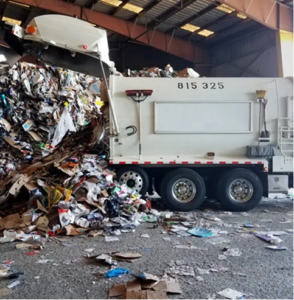
Every home produces waste, but not all of it fits neatly into the bin outside. A weekend of garden trimming, a kitchen upgrade that leaves behind packaging and old fittings, a spring clean that fills six bags at once, or a build-up of cardboard after a month of online deliveries. These are the moments when standard bin collection stops being enough.
Household waste removal covers exactly this gap. It deals with the volume, the mixed materials, and the awkward loads that a regular bin cycle isn’t designed to absorb. This guide explains what the service typically includes in Dubai, how different waste types are handled, and what residents can do to make a collection go smoothly.
What Household Waste Removal Actually Covers
Household waste removal is the collection and transport of waste generated by a residential property in quantities or forms that standard bin collection cannot handle. It usually applies when waste is:
- Produced in a large batch rather than gradually
- Too bulky to fit in a standard bin
- Mixed across several material types
- Left over from a specific event, such as a clean-out or small renovation
- Accumulated over time in a garage, balcony, storage room, or garden
The emphasis is on the waste itself: the bags, boxes, debris, off-cuts, and discarded materials a home generates, rather than on individual usable items being cleared out.
How It Differs From Regular Bin Collection
Regular bin collection is built around predictable, repeating volumes. Each household produces roughly the same amount of daily waste, and the schedule is designed around that assumption.
A dedicated removal is different in three ways. The volume is irregular, often several times the normal weekly output. The materials are frequently mixed, combining packaging, textiles, garden cuttings, and general refuse in one load. And the timing is one-off, arranged around the household’s needs rather than a fixed calendar.
It’s also worth separating waste removal from item-focused clearing. If the goal is to remove usable furniture and appliances, that sits closer to home junk removal. If the goal is to clear bagged, loose, or broken material with no further use, waste removal is the closer fit. Many households need a bit of both in the same visit.
Common Types of Household Waste
Most residential waste falls into a handful of recognisable streams, and knowing which ones you’re dealing with helps when arranging a collection.
General and Mixed Household Waste
Bagged refuse, non-recyclable packaging, worn-out textiles, broken plastics, and the general residue of a deep clean. This is usually the bulk of a household load by volume.
Recyclable Materials
Cardboard, paper, glass bottles, metal cans, and clean plastics. Delivery boxes are a common one in Dubai, where a single month of online shopping can produce a surprising stack of flattened cardboard.
Garden and Green Waste
Grass cuttings, hedge trimmings, pruned branches, dead plants, spent soil, and old plant pots. Villa gardens and larger terraces generate this seasonally, often in one heavy batch after a maintenance day.
Bulky Waste
Broken furniture, damaged mattresses, worn carpets and rugs, and other oversized items that no longer have resale or donation value. These need loading capacity rather than careful handling.
Electronic Waste
Old phones, cables, chargers, small kitchen appliances, monitors, and similar items. Electronics contain components that may need separate handling, so it’s worth flagging them when you arrange the collection.
Renovation and DIY Debris
Off-cuts of wood, packaging from new fittings, old tiles, and the general mess left after a small home project. Larger construction debris often falls outside what a residential collection can accept, so quantity matters here.
Waste That Needs Specialist Handling
Some material shouldn’t go into a general household load. Depending on the provider, the following usually require separate, appropriately licensed arrangements:
- Paints, solvents, and other chemicals
- Motor oil, fuels, and automotive fluids
- Batteries in quantity
- Gas cylinders and pressurised containers
- Medical or clinical waste
- Any material labelled as hazardous
If you’re unsure about something, describe it before the collection is booked rather than adding it to the pile on the day. Providers differ on what they can accept, and an unexpected item can hold up the entire load.
When Households Need a Dedicated Waste Removal
Typical triggers include:
- A deep clean that produces far more than the bins can hold
- A garden maintenance day with a large volume of green waste
- A kitchen or bathroom refresh leaving packaging and old fittings behind
- Clearing a balcony, storeroom, or garage that has quietly filled up
- Accumulated delivery packaging after a move-in period
- Preparing a property before handover at the end of a tenancy
- A build-up of waste after guests, gatherings, or a busy season
Sorting and Segregating Waste Before Collection
Sorting isn’t always required, but it usually helps. Separating recyclable cardboard, glass, and metal from general refuse makes it easier for material to be directed appropriately once it leaves the property, and it often makes loading faster.
A few practical habits go a long way:
- Flatten cardboard boxes so they stack instead of sprawl
- Keep garden waste in its own pile rather than mixed with bagged refuse
- Bag loose light waste so it doesn’t scatter during loading
- Set anything unusual or questionable to one side
- Avoid overfilling bags to the point where they tear when lifted
Ask the provider what level of separation they prefer. Some are set up to sort after collection; others work faster when the household has already grouped things.
Waste Removal in Dubai Apartments
Apartment residents in areas such as Dubai Marina, JLT, Business Bay, or Dubai Silicon Oasis face a specific constraint: the waste has to travel from the unit, through shared corridors and elevators, and out to a collection point without disrupting the building.
Points worth checking in advance:
- Whether the building has a designated waste or bulk-item room
- Service elevator access and any booking requirement
- Permitted hours for moving large loads through common areas
- Where a collection vehicle can legally stop
- Any building rules about leaving material in corridors, even briefly
Buildings vary considerably. A quick message to building management usually clarifies the rules faster than assuming.
Waste Removal from Villas and Townhouses
Villas in communities like Arabian Ranches, Dubai Hills Estate, Jumeirah, or Al Barsha tend to generate different waste patterns. Gardens produce green waste in seasonal batches. Garages accumulate paint tins, packaging, and broken equipment. Outdoor storage collects items that slowly degrade beyond use.
Access is usually simpler, since a vehicle can often park directly at the property. The main variable is volume: a villa clear-out can easily produce several times the load of an apartment, so an accurate description of quantity matters more than access details.
How a Household Waste Removal Works, Step by Step
- The household identifies what needs to go and roughly how much there is
- The provider is contacted with a description of the waste types and volume
- Access details are shared, including floor level, elevator, and parking
- A collection window is agreed
- The household groups or bags the waste ahead of the visit
- The team arrives and confirms what is being taken
- Waste is loaded onto the vehicle
- The load is transported away from the property
- Recoverable materials may be separated where the provider is set up to do so
- The remainder is handled through the provider’s standard disposal route
This is a general pattern. The specifics vary between providers and between jobs.
Scheduled Collections vs One-Off Removals
A one-off removal suits a specific event: the clear-out, the garden day, the post-renovation tidy. It’s arranged when needed and priced around that single load.
A recurring arrangement can make more sense for households that consistently generate more than the standard bin cycle handles, such as large families, homes with substantial gardens, or properties where deliveries arrive constantly. The advantage is predictability; the trade-off is committing to a schedule you may not always need.
Most residents start with a one-off collection and only consider a regular arrangement if the same pressure keeps recurring.
What Affects the Cost of Household Waste Removal
There’s no standard rate, because no two loads are the same. The factors that typically influence pricing are:
| Factor | Why It Matters |
|---|---|
| Total volume | Vehicle space is the main constraint on any single collection |
| Weight | Soil, rubble, and green waste are dense relative to their size |
| Waste types | Mixed loads may need different handling than a single material |
| Sorting required | Pre-separated waste is generally quicker to process |
| Floor level and elevator | Carrying loads down stairs adds significant time |
| Parking distance | A long carry between the property and the vehicle slows loading |
| Location | Travel time across Dubai varies by area and time of day |
| Timing | Short-notice or out-of-hours requests may be scheduled differently |
| Specialist items | Anything needing separate handling affects the arrangement |
The more accurately you describe the load upfront, the closer the initial figure will be to the final one.
Preparing for Collection Day
- Group the waste in one accessible spot rather than spreading it across rooms
- Bag loose material and flatten what can be flattened
- Keep anything you’re not disposing of well away from the pile
- Clear the route between the waste and the exit
- Confirm elevator or parking access if you’re in a building
- Set aside items that may need specialist handling and mention them
- Make sure someone is available to confirm what’s being taken
Avoid moving anything heavy on your own if it feels unmanageable. That’s part of what the collection team is there for.
Where Household Waste Goes After Collection
Once a load leaves the property, material typically follows one of several routes depending on its type and condition:
- Clean recyclables may be directed toward recycling streams
- Green waste may be handled through organic processing where available
- Metals and some plastics may go to material recovery
- Items still in usable condition may be set aside for reuse or donation
- The remainder is disposed of through standard channels
How much of a given load is recovered depends heavily on what it contains and how well it was separated. Heavily mixed or contaminated waste is harder to recover, which is one practical reason sorting at home makes a difference.
Reducing Household Waste at Home
Removal handles the waste you already have. Reducing what accumulates in the first place is a separate, slower project, but a few small changes tend to help:
- Break down and store delivery boxes weekly instead of letting them stack
- Keep a dedicated container for recyclables so sorting isn’t a chore later
- Deal with garden waste after each maintenance session rather than seasonally
- Clear storage areas periodically before they reach clear-out scale
- Buy in quantities that match actual use, particularly for perishables
Choosing a Household Waste Removal Service
When comparing providers, useful questions include:
- Which waste types do they accept, and which do they exclude?
- Do they handle residential properties specifically?
- What collection capacity do they have for a single visit?
- Do they require the household to sort in advance?
- How do they handle recoverable materials?
- Can they work within apartment building access rules?
- How clearly do they communicate timing and expectations?
- What does their broader waste collection coverage look like across Dubai?
Price is one factor, but a provider that can’t accept half your load isn’t the cheaper option in practice.
Mistakes That Slow Down a Waste Collection
- Underestimating volume, which can mean the load doesn’t fit in one visit
- Adding hazardous items to a general pile without mentioning them
- Leaving waste spread across multiple rooms or floors
- Forgetting to arrange elevator access in a managed building
- Mixing heavy soil or rubble into bags meant for light waste
- Describing a load vaguely and then expecting an exact figure
- Booking at the last minute before a move-out deadline
Frequently Asked Questions
Is household waste removal the same as normal bin collection?
No. Bin collection handles routine daily waste on a fixed schedule. A dedicated removal is arranged for larger, irregular, or mixed loads that exceed what the bins can take.
Do I need to separate my waste before the team arrives?
Requirements vary between providers. Separating clean recyclables and keeping green waste apart generally speeds up loading and improves what can be recovered, so it’s worth doing where practical.
Can garden and green waste be collected from a villa?
In most cases yes, though green waste is heavy for its volume, so quantity should be described accurately when arranging the collection.
What about paint tins, chemicals, or batteries?
These typically fall outside a standard household load and need separate, appropriately handled arrangements. Mention them in advance rather than including them in the pile.
How much waste can be taken in a single visit?
This depends on vehicle capacity and the density of the material. A load of light packaging takes up space quickly, while soil or rubble reaches weight limits before it fills the vehicle.
Can waste be collected from a high-floor apartment?
Usually, provided elevator access is available and the building permits it. Confirming access hours and any booking requirement with building management avoids delays.
What if I find more waste after the collection is arranged?
Let the provider know as soon as possible. Adjusting the plan in advance is far easier than discovering on the day that the load exceeds what was expected.
Final Thoughts
Household waste tends to build up in bursts rather than steadily, which is exactly why standard bin collection eventually falls short. Handling it well comes down to a few unglamorous details: knowing which waste streams you’re dealing with, being realistic about volume, separating what can be separated, and checking access before the vehicle arrives.
Get those right and a collection that could take half a day becomes a short, straightforward visit, whether you’re clearing a terrace in JLT or a garden in Dubai Hills Estate.
If waste has been piling up faster than your bins can keep up, speak with our team about what you need removed and schedule your pickup at a time that suits you.